Restaurant P&L template, explained
Last updated
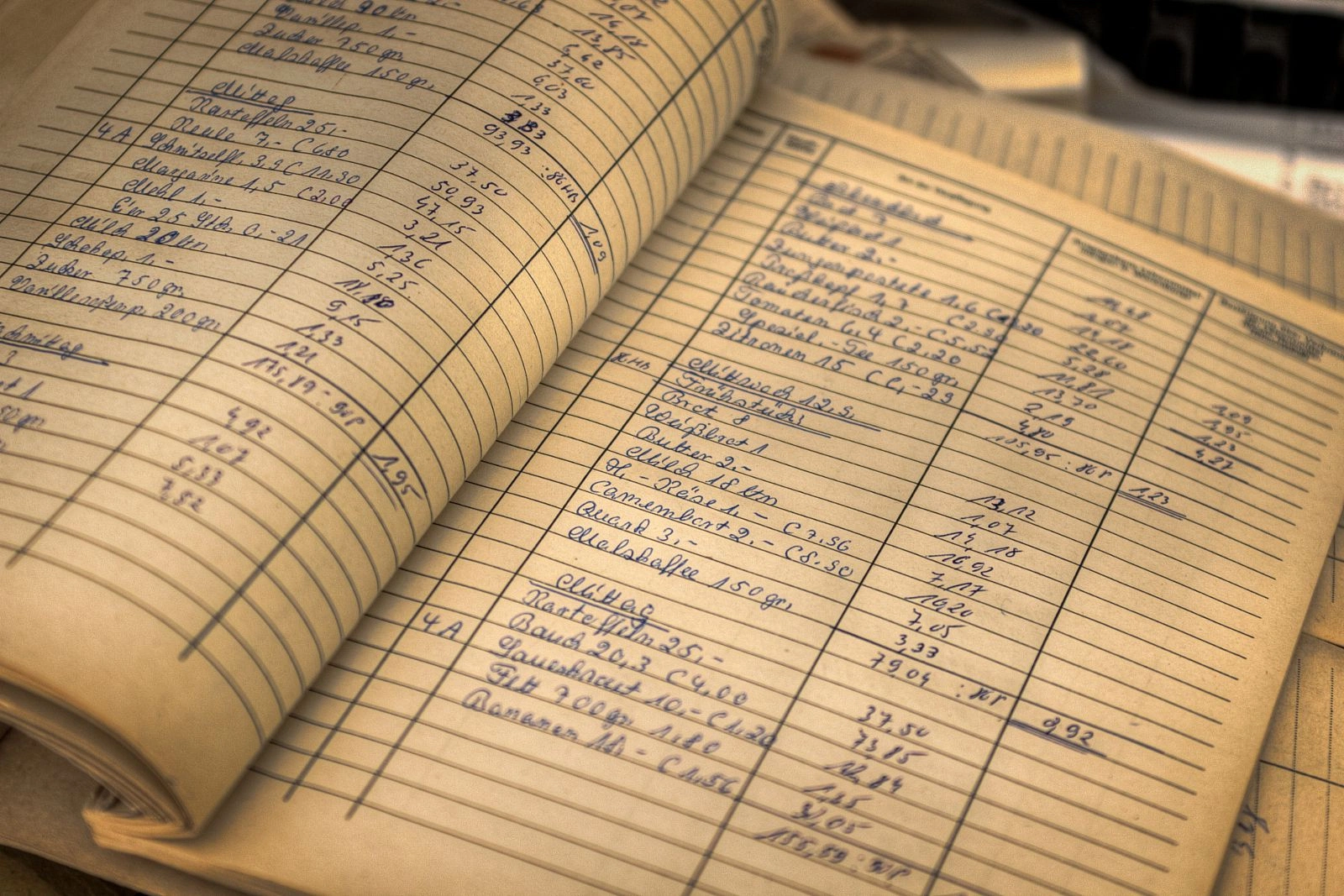
The blocks, from the top
Sales are split into food, beverage, and other. Cost of goods sits directly under the sales it matches, so a beverage program does not get judged with a food invoice. Labor is its own block: wages, payroll taxes, and benefits. Prime cost is the subtotal of those costs. Controllable operating expenses come next (utilities, smallwares, marketing). Occupancy (rent, property tax, insurance) comes after that, because a manager cannot cut rent on a Thursday. Depreciation and interest are below operating profit so a store comparison is not decided by the loan.
The file
Those blocks are the structure of the statement. Amounts stay off the explanation, because a blank chart is not a completed month.
TODO: After a controller reviews the line list against a real multi-unit chart of accounts, note which lines they split further (delivery fees, third-party commissions, salaried manager allocation).
FAQ
Short answers to the questions this page is built to settle.
Where is prime cost on the statement?
After food and beverage cost and labor. If you have to add those lines in the margin, the statement is hiding the number operators actually manage.
Can I change the line names?
Yes, if every location changes them the same way. A group with two charts of accounts cannot add the stores together.
Related
Tools and guides that use the same numbers.
 Guide How to calculate prime cost
Add food cost, beverage cost, and labor, then divide by total sales. In the worked week on this page that is 25,740 over 42,800, or 60.1 percent. The association's 2024 limited-service median was 65 percent of sales, and it is a median, not a target.