Guides
Seven hubs for restaurant food cost, labor, prime cost, the P&L, cash, the close, and multi-unit reporting.
 Hub Food cost
Food cost is what left the shelf: beginning inventory, plus purchases, minus what is still there, divided by food sales for the same days. A delivery can make the week look expensive until the count is in. The page has the formula, a worked week at 28.1 percent, and what the 2024 association medians actually measure.
 Hub Labor cost
Labor cost adds wages, payroll taxes, and benefits, then divides by the sales those hours produced. A wage-only percentage will not match the payroll register. The worked week here is 11,400 over 42,800, or 26.6 percent.
 Hub Prime cost
Prime cost adds food, beverage, and labor, then divides by sales. Those are the costs that still move when a week is slow. The illustration is 25,740 over 42,800, or 60.1 percent. The 2024 limited-service median is filed beside it as a median, not a target.
 Hub Restaurant P&L
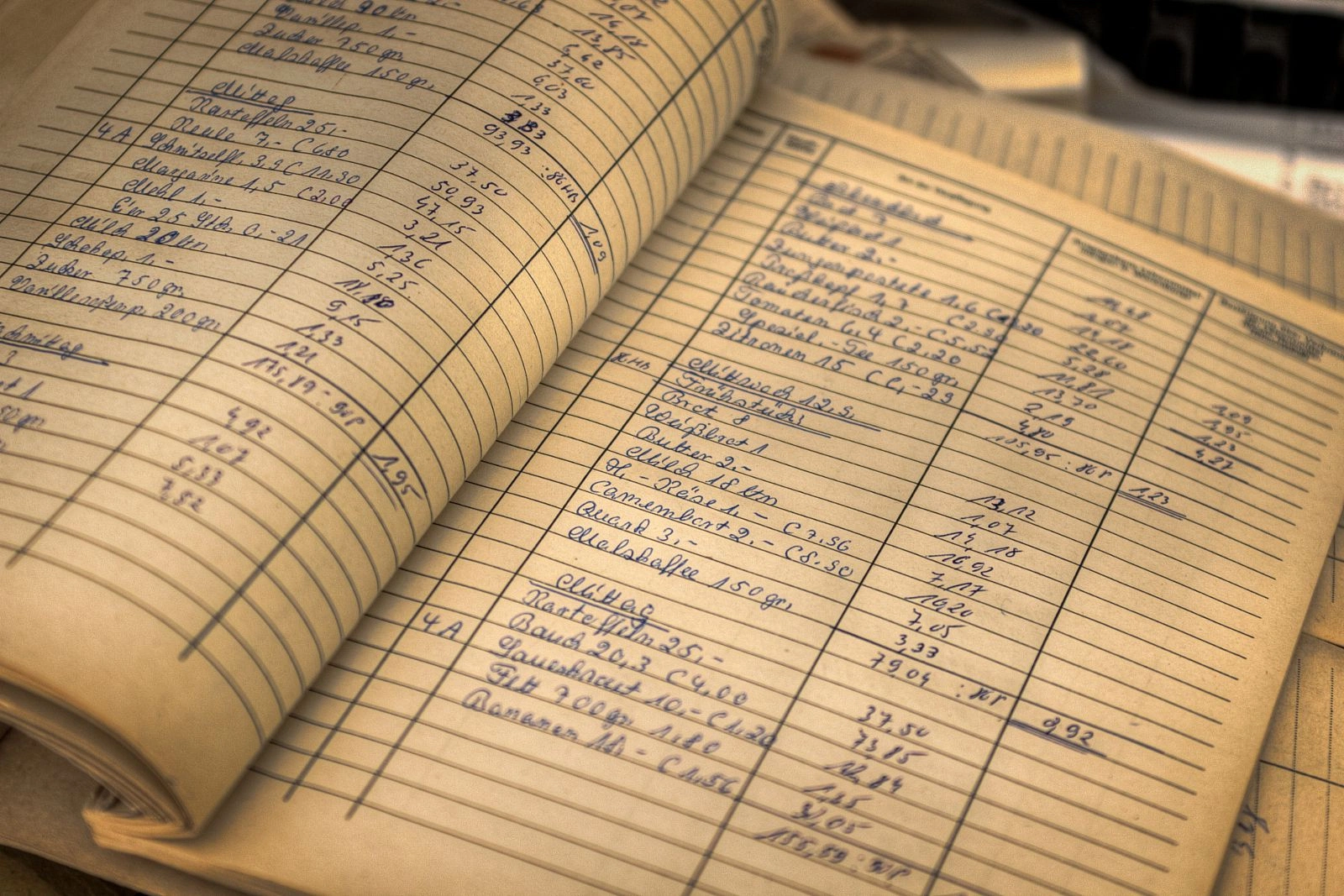
A restaurant profit and loss runs from sales through the cost of what was served and the labor that served it, then the costs that do not flex with the week. Prime cost sits in the middle, where the number can still change. The template uses those same lines.
 Hub Cash flow
The deposit and the sales report describe different things. Tips, sales tax, card fees, and the timing of vendor bills sit between a busy Friday and the cash the restaurant can spend. The page keeps those amounts apart, and watches the week as well as the month.
 Hub Month-end close
A month is closed when sales, inventory, payroll, payables, and the bank all describe the same days, and a person has signed off. Software can hold the entries. The signature is still a person's. The vendor pages separate a product that stores the books from a firm that finishes them.
 Hub Multi-unit reporting
Each location needs the same chart of accounts, and a profit and loss that can be read store by store before the group is added up. A single company total hides the store carrying the others. Shared costs, such as an area manager, need a written rule for how they land on a store.